SKU: E700275
Model IL-F
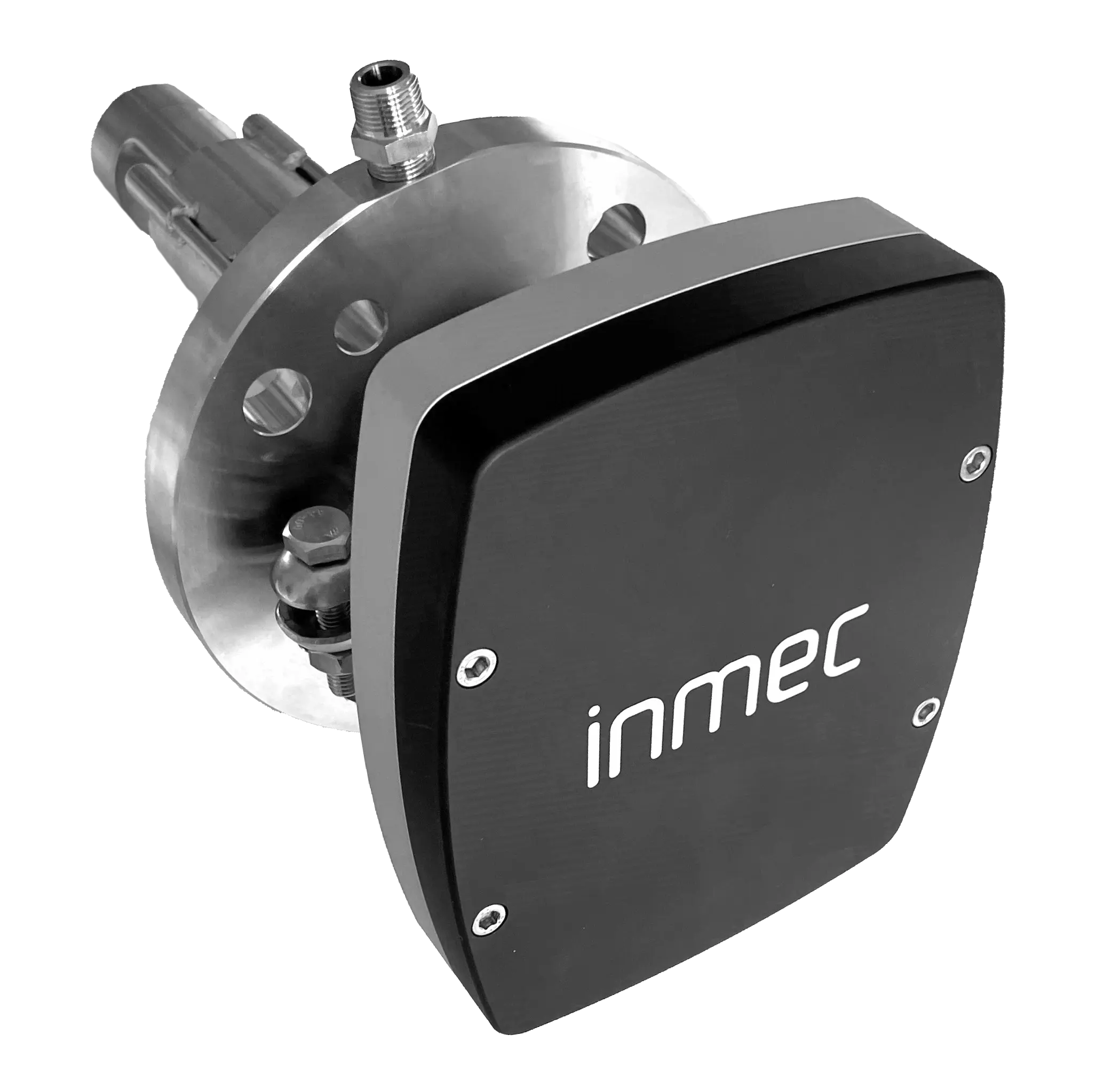
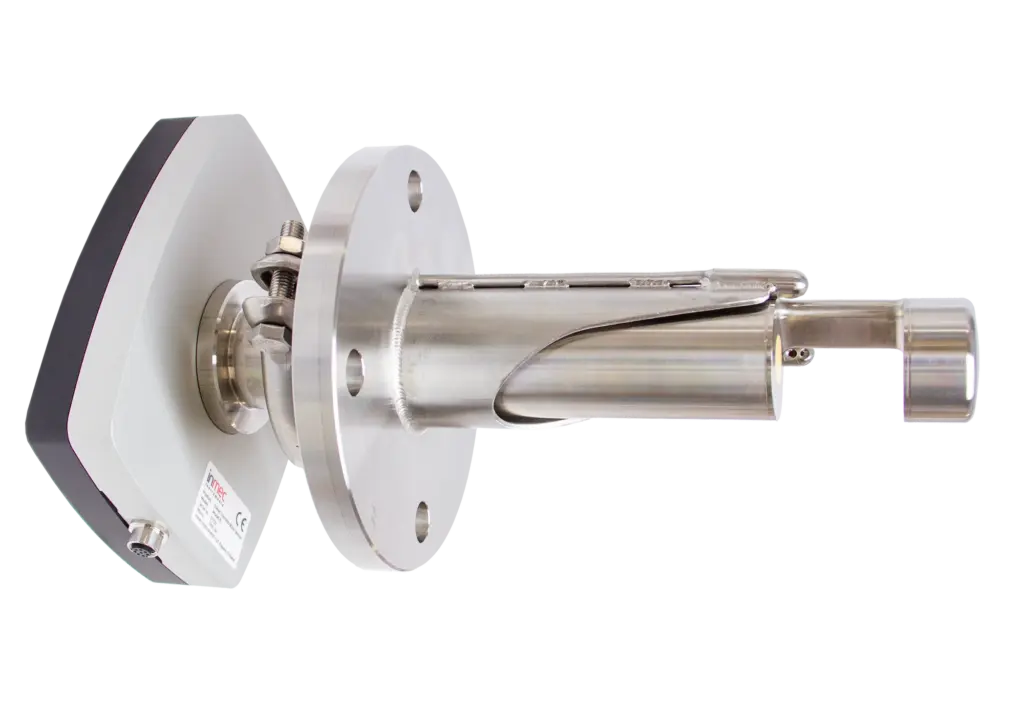
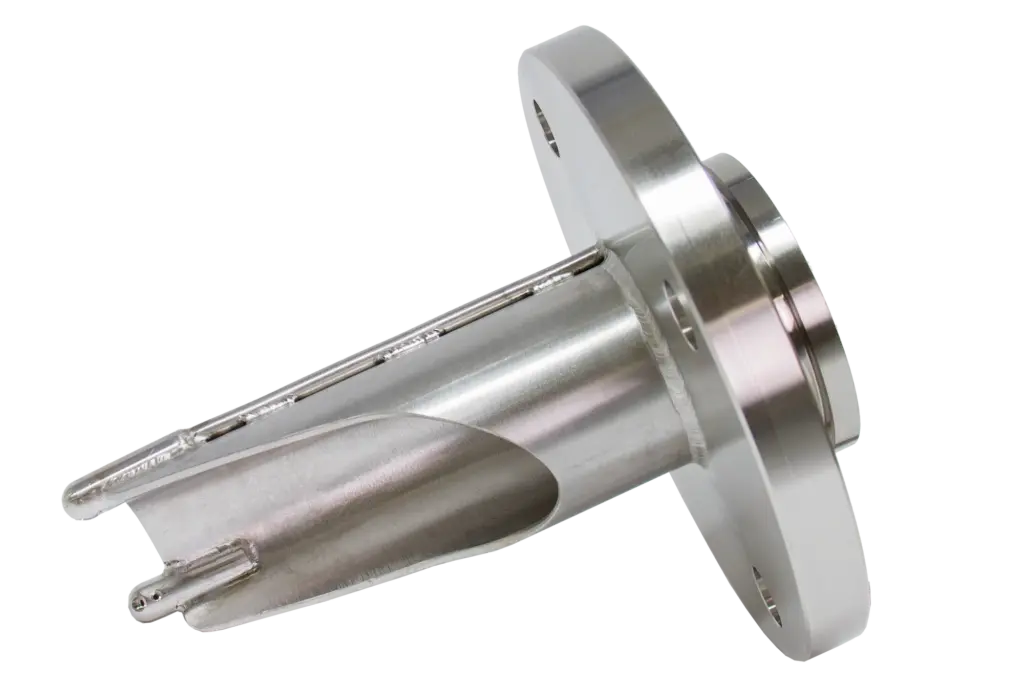
Model IL-F tank sensor with integrated flushing system. Flushing water injected through 3/8″ pipe fitting clears sensor head against product buildup. Designed for continuous crystallization applications where periodic flushing maintains measurement accuracy.
Continuous Measurement in High-Buildup Applications
The Model IL-F extends the standard Model IL tank sensor with an integrated flushing system designed for applications where heavy product buildup occurs during operation. The flushing capability enables periodic cleaning of the sensor head without removing the sensor from the process—maintaining measurement accuracy in demanding continuous crystallization and high-viscosity applications.
How the flushing system works:
Flushing water is injected through a dedicated 3/8″ pipe connection, clearing product accumulation from the sensor head surfaces. Flushing can be performed manually or automated through process control systems—typically activated during batch transitions, scheduled intervals, or when measurement indicates fouling has occurred.
- Continuous vacuum pan crystallizers
- High-viscosity molasses processing
- Crystallization with heavy sugar buildup
- Long-duration batch processes with limited cleaning windows
- Applications where sensor removal for cleaning is impractical
- Measurement range (Brix / solids): 0-99%,
Factory configured to specific TS or Density range by customer specification - Accuracy & repeatability:
+/- 0.01 % TS - Sensitivity:
+/-0.001% TS - Measuring resolution:
0.01% TS - Outputs:TS % & Temperature,
4 – 20 mA, Active and Isolated. Max load 750 Ohm. - Process conditions:
- Ph= 3-11
- Temperature= 0 – 140 C
- Pressure: recommended min 1.5 bar to avoid free air
- Sensor body: Aisi 316L.
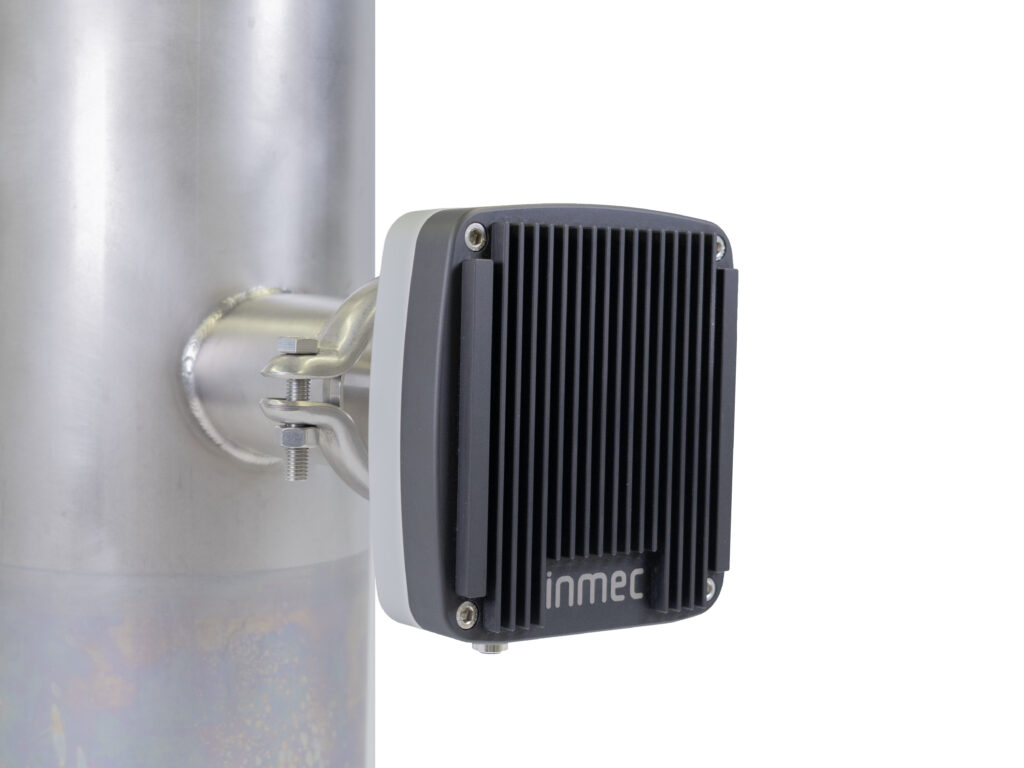
The sensor can be installed directly in the vessel wall or top nozzle and does not require a bypass or recirculation loop.
Control the process where it happens — inside the tank, in real time.

3-year warranty
A full, industry-leading warranty reflecting confidence in long-term performance.

Stable signal despite coating and buildup
Maintains a stable measurement signal even when product coating or buildup is part of normal operation

Wide Measurement Range
Accurate measurement from low concentrations to high-solids processes — one sensor covers your full production spectrum.
“Before the IL-F, we had to pull the sensor for cleaning every few days during continuous crystallization runs. Now the flushing cycle handles it automatically, and we haven’t lost measurement accuracy to buildup since installing it.”
— Process Engineer, Sugar Processing (Europe)
Find the Right Model IL Configuration for Your Tank
Share your process details and our engineers will recommend the right configuration.
Model IL-F: frequently asked questions
Can’t find what you’re looking for? Share your process details above and our engineers will recommend the right configuration.
What is the Inmec Model IL-F?
The Model IL-F is a digital microwave in-tank sensor for continuous Brix, total solids and density measurement, based on the standard Model IL with an integrated flushing system. Flushing clears product buildup from the sensor head without removing the sensor from the process.
How does the IL-F flushing system work?
Flushing water is injected through a dedicated 3/8″ pipe connection and clears product accumulation from the sensor head surfaces. Flushing can be done manually or automated through the process control system, typically during batch transitions, at scheduled intervals or when the measurement indicates fouling.
When should I choose the Model IL-F instead of the Model IL?
The standard Model IL measures reliably through the normal coating found in most tanks and vacuum pans. The IL-F is designed for applications with heavy buildup, such as continuous crystallizers and high-viscosity molasses, or where removing the sensor for cleaning is impractical.
Where is the Model IL-F used?
Typical applications are continuous vacuum pan crystallizers, high-viscosity molasses processing, crystallization with heavy sugar buildup, long-duration batch processes with limited cleaning windows, and other applications where sensor removal for cleaning is impractical.
Does the IL-F need to be removed from the process for cleaning?
No. The integrated flushing system cleans the sensor head in place, so the sensor stays installed and measuring through long continuous crystallization runs.
How is the Model IL-F installed?
The IL-F installs directly in the vessel wall or a top nozzle and does not need a bypass or recirculation loop. A flushing water line is connected to its 3/8″ flushing connection.
Does the Model IL-F need a separate transmitter?
No. All signal processing takes place in the sensor itself. It provides 4–20 mA outputs for total solids and temperature, active and isolated, with a maximum load of 750 Ω, directly to the PLC or DCS.
What are the measurement range and accuracy of the Model IL-F?
The measurement range is 0–99 % Brix or total solids, factory configured to the customer’s specific total solids or density range. Accuracy and repeatability are ±0.01 % TS, sensitivity is ±0.001 % TS and measuring resolution is 0.01 % TS.
What process conditions does the Model IL-F handle?
The IL-F operates at pH 3–11 and 0–140 °C, with an AISI 316L sensor body. A process pressure of at least 1.5 bar is recommended to avoid free air at the sensor.
What warranty does the Model IL-F have?
The Model IL-F comes with a 3-year warranty, reflecting its long-term stability in continuous industrial operation.