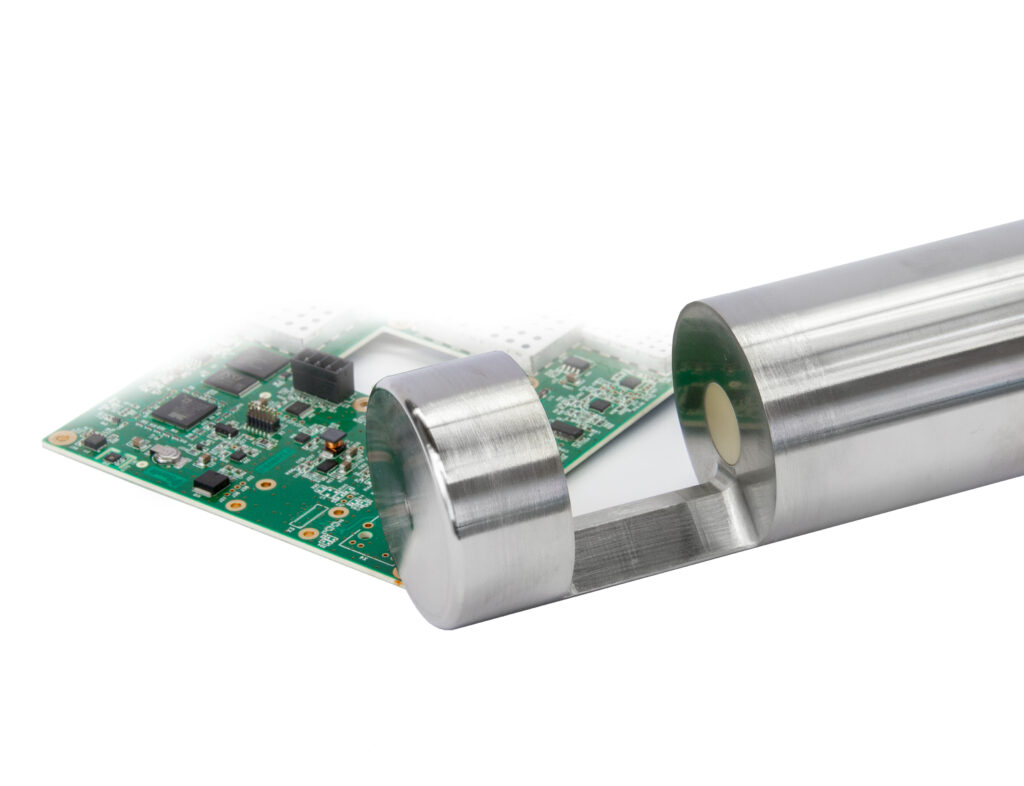
Brix Measurement Solutions for Sugar Processing
Stable, low-maintenance measurement for both cane and beet sugar production—from juice clarification through crystallization

Measurement Challenges Across Cane and Beet Sugar Production
Sugar processing demands continuous, reliable Brix measurement across some of the most challenging conditions in industrial food production—concentrations ranging from 12°Brix clarified juice to 98°Brix massecuite, extended production campaigns lasting weeks or months, and process environments where product coating on sensor surfaces is inevitable.
Whether processing cane sugar or beet sugar, these measurement challenges remain consistent: Conventional optical refractometers struggle with surface fouling that causes signal drift during production runs, requiring frequent cleaning that interrupts operations. At high Brix levels above 85%, optical measurement becomes unstable. And in crystallizing applications, suspended crystals cannot be measured at all.
Inmec’s digital microwave sensors deliver stable Brix measurement throughout both cane and beet sugar production—from dilute juice streams through high-concentration syrups and crystallizing massecuite—without sensitivity to coating, crystal content, or the demanding conditions typical of sugar factory operation.
Cane and Beet: Different Processes, Same Measurement Solution
While cane and beet sugar production differ in raw material and specific process conditions, the fundamental measurement challenges remain consistent—and so does the solution.
The advantage: Regardless of whether you process cane or beet, Inmec sensors deliver the same stable, low-maintenance performance across your entire production process.
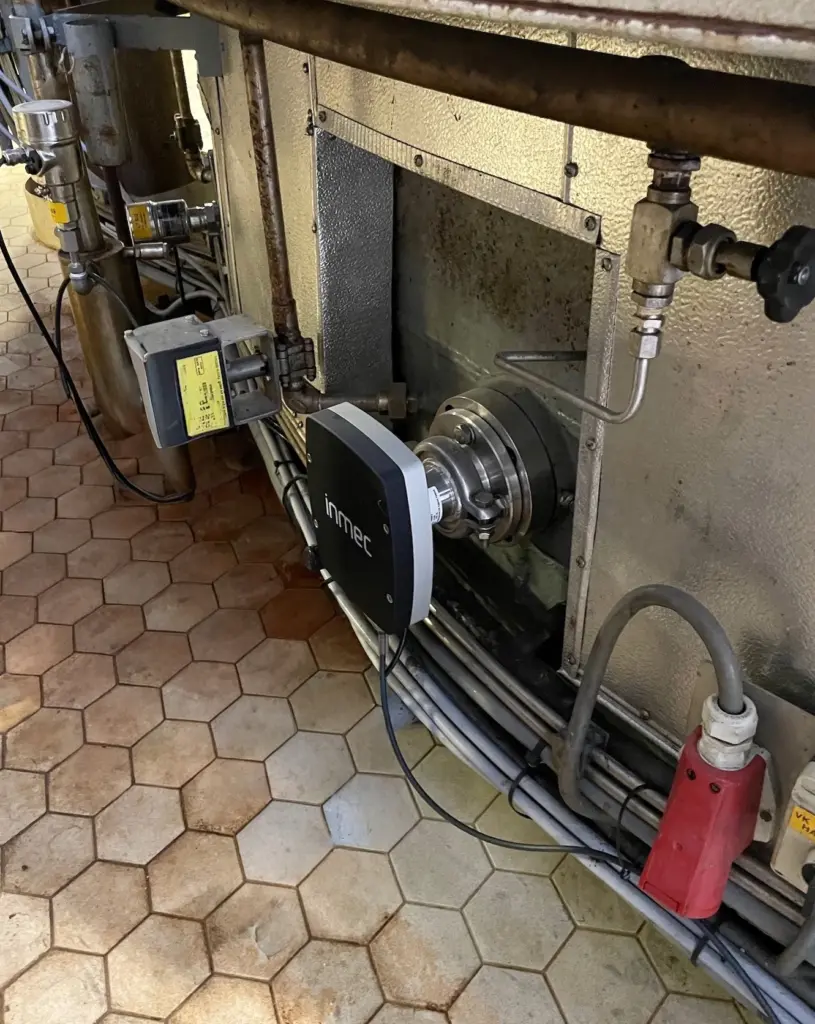
The Toughest Stage in the Process
Vacuum pan crystallization pushes measurement sensors to their limits—Brix approaching 100%, continuous coating, and a reset cycle repeating at every strike. See how Inmec sensors handle vacuum pan crystallization →
| Aspect | Cane Sugar | Beet Sugar | Inmec Solution |
| Raw material | Cane Sugar Juice | Beet Sugar Juice | Measures both effectively |
| Brix range | 10-95% | 10-95% | Stable across full range |
| Applications | -Clarifying -Evaporation -Melting -Crystallizing -Molasses | -Clarifying -Evaporation -Melting -Crystallizing -Molasses | All applications throughout the process |
| Challenges | Need to cover multiple charges with varying purity over a cycle | Single charge with wide Bx measuring range. Purity may vary. | Applicable to meet all challenges |
Proven in Both Cane and Beet Sugar Production
From vacuum pans and evaporator stations to storage vessels and process pipelines, Inmec technology supports measurement throughout the sugar house—providing continuous, reliable Brix data where process control depends on accuracy that doesn’t drift during extended campaigns.
Cane Sugar Processing:
- Raw sugar production and refining operations
- High-temperature juice evaporation and clarification
- Multiple grade crystallization (A, B, C massecuite)
- Molasses handling and recovery processes
- Both continuous and seasonal production facilities
Beet Sugar Processing:
- Thin juice and thick juice monitoring
- Multi-effect evaporator concentration control
- White sugar crystallization and centrifugation
- Standard liquor and low-grade liquor management
- Campaign-based seasonal production
Global Installations:
- Cane sugar mills and refineries across Asia and Americas
- Beet sugar factories throughout Europe and North America
- Small regional facilities to large-scale industrial operations
- Supporting production from campaign start-up through continuous operation
Sensors for the Sugar Process:
- Combination sensors for simultaneous Brix and purity estimation in crystallization
- In-tank sensors for evaporators, vacuum pans, and storage vessels
- Pipeline sensors for juice lines, syrup transfer, and molasses handling
- Flush-mount model for continuous crystallization with heavy buildup
- Hygienic models for food-grade applications and refinery operations
- Measurement range from 0°Brix clarified juice to 98°Brix massecuite
Why Sugar Producers Choose Inmec

Stable Measurement Despite Coating and Buildup
Maintains accurate Brix readings even when product fouling occurs on sensor surfaces—a common reality in both cane and beet sugar processing that causes optical sensors to drift and require constant cleaning.

Wide Brix Range from Juice to Massecuite
Accurate measurement from 10°Brix thin juice through 98°Brix massecuite without changing sensors or measurement principles—covering the full concentration spectrum in both cane and beet sugar production.

Designed for Long Campaigns and Continuous Operation
Delivers consistent Brix data throughout extended production campaigns—from seasonal beet campaigns lasting months to year-round cane processing—with minimal maintenance requirements.
Let’s Improve Your Sugar Manufacturing Application
Give us a brief description of your measurement process and our experts will get in touch.
Featured sensors for the Sugar Industry
Engineered for sugar production’s toughest measurement challenges: evaporators, vacuum pans, and crystallization processes in both cane and beet sugar operations.
What Makes Digital Microwave Measurement Different
Optical sensors measure at an optical interface
Light passes through a prism or sapphire window into the product. Any coating or buildup on this surface directly affects measurement accuracy, causing drift that requires cleaning and recalibration—a challenge in both cane and beet sugar processing where coating is inevitable.
Inmec sensors measure bulk dielectric properties
The microwave measurement volume extends into the product stream or tank contents. Surface coating on the sensor walls does not affect measurement, allowing continuous operation even when fouling occurs—equally effective in cane juice, beet juice, syrups, and massecuite.
The result: The result: For sugar producers looking for a reliable inline refractometer alternative, the difference is clear. Sugar production involves coating—it’s unavoidable whether processing cane or beet. The question is whether your measurement technology can handle it, or whether it creates a maintenance burden that interrupts production and undermines control reliability.